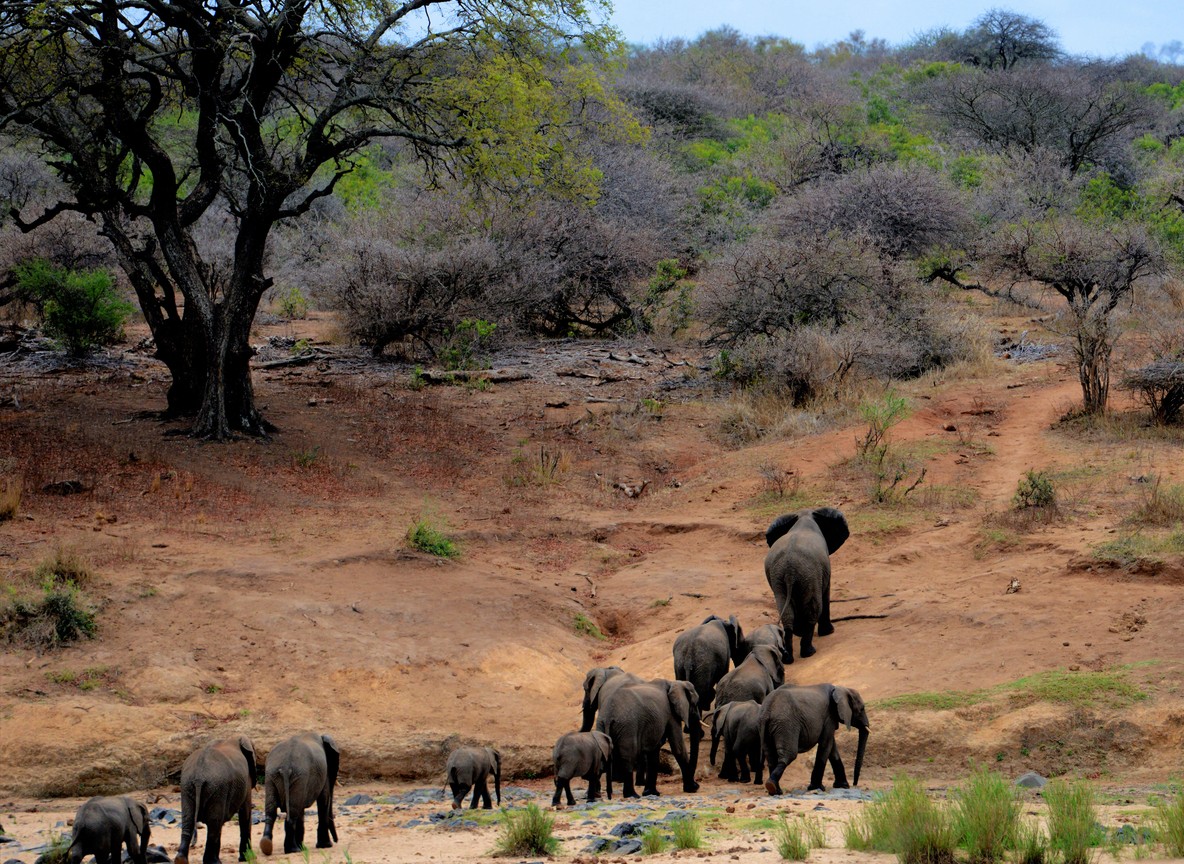
A school built next to an elephant corridor faces a problem most classrooms never think about. Herds move at night, following routes far older than the buildings in their path. Kenya has answered with a mix of tools rather than one fix. The list includes solar-powered deterrent fences, beehive lines, trained community scouts, and corridor mapping that keeps new construction out of the way. Touring Insights breaks down how these programs actually work, where they operate, and what the strategy means for anyone planning a trip through the ecosystems where this work happens.
Why Schools Became a Conflict-Mitigation Priority
Kenya’s rangeland ecosystems support wildlife corridors that predate most modern land use. Elephants in particular move seasonally between parks and surrounding community land, following ancient routes toward water and forage. As settlements have grown along these corridors, schools sitting near them report the sharpest safety concern. A herd moving through a compound at night can damage water tanks, break perimeter walls, and frighten boarding students. Unlike crop damage, which is a livelihood loss, a conflict incident at a school is a direct child-safety issue. That distinction matters. WWF-Kenya and the Kenya Wildlife Service (KWS) treat schools as a priority category within broader conflict programs, rather than folding them into general farm-protection work.
The Toolkit: What Actually Keeps Elephants Out
No single deterrent works everywhere. Site, budget, and the animals involved all shape which tool a community or conservation partner picks.
- Solar-powered electric fencing: A low-voltage wire perimeter charged by a solar panel and battery, delivering a sharp but non-lethal pulse. This is the most common school-specific deterrent in areas like the Amboseli ecosystem, since it needs no grid connection and can be sized to a single compound.
- Beehive fences: Rows of beehives hung between posts around a boundary, connected by wire. Elephants avoid bees and steer clear of the whole line. Save the Elephants pioneered this method in Kenya. It has since spread to farm boundaries in Laikipia and parts of Tsavo, with the side benefit of honey income for the community maintaining it.
- Community scout patrols: Trained local scouts, often coordinated with KWS rangers, monitor known corridor pressure points and warn schools or homesteads when a herd is moving through at night.
- Corridor mapping and land-use planning: Conservation groups work with county governments to flag active elephant corridors before new schools, boreholes, or roads are sited on them, reducing future conflict rather than reacting to it.
- Translocation: In cases of repeated, severe conflict, KWS moves problem animals or entire groups to reduce pressure on a specific area, as with the 2026 Mwea-to-Aberdare elephant translocation.
Where This Work Is Concentrated
Conflict mitigation funding and staff time follow the ecosystems with the heaviest corridor pressure, not a flat national rollout.
| Ecosystem | Approximate Core Protected Area | Main Deterrent Tools in Use | Lead Organizations |
|---|---|---|---|
| Amboseli (Kajiado County) | About 392 km² park, several thousand km² wider ecosystem | Solar fencing around schools, corridor monitoring | WWF-Kenya, KWS, community conservancies |
| Tsavo East and West | 11,747 km² and 9,065 km² respectively | Beehive fencing, ranger patrols, corridor protection | KWS, Tsavo Trust, David Sheldrick Wildlife Trust |
| Laikipia Plateau | Ol Pejeta Conservancy alone covers about 364 km² | Beehive fences, electric fencing on conservancy boundaries | Save the Elephants, Ol Pejeta Conservancy |
| Mwea to Aberdare corridor | Mwea National Reserve about 68 km², Aberdare National Park about 767 km² | Translocation, corridor fencing | KWS |
Figures above are standard published park and conservancy sizes, included for planning and comparison context.
What a Deterrent Program Costs and Needs
Setup cost is only part of the picture. Every method here needs ongoing labor, and that upkeep is usually the difference between a fence that works for years and one that fails within a season.
| Method | Rough Setup Cost (indicative) | Ongoing Maintenance | Typical Site |
|---|---|---|---|
| Solar electric fence | Moderate, materials plus energizer unit | Weekly vegetation clearing, battery checks | School compounds, homesteads |
| Beehive fence | Moderate, hive and post materials | Beekeeping upkeep, hive replacement | Farm and conservancy boundaries |
| Community scout program | Low direct cost, mainly stipends and training | Ongoing coordination with KWS | Corridor pressure points |
| Corridor mapping and planning | Low direct cost, mostly staff time | Periodic re-survey as land use shifts | County-level planning |
| Translocation | High, requires veterinary and logistics teams | None after the move, but requires monitoring | Severe, repeated conflict zones |
Cost figures are broad, labelled ranges for context. Actual costs depend on scale, terrain, and whether labor is community-contributed or paid.
Getting to the Ecosystems Where This Work Happens
Travelers curious about conflict mitigation work in person will find it concentrated in a few well-known safari regions.
| Route | Distance | Typical Drive Time | Typical Flight Time |
|---|---|---|---|
| Nairobi to Amboseli (via Namanga road) | About 240 km | Roughly 4 hours | About 45 minutes, Wilson Airport to Amboseli airstrip |
| Nairobi to Tsavo West (Mtito Andei gate) | About 230 km | Roughly 4 hours | About 40 minutes to nearby airstrips |
| Nairobi to Nanyuki / Laikipia | About 200 km | Roughly 3.5 hours | About 40 minutes, Wilson Airport to Nanyuki |
| Nairobi to Aberdare National Park | About 165 km | Roughly 3 hours | Limited scheduled flights, road travel more common |
Park entry fees are indicative and change with KWS policy. Amboseli is typically around USD 60 per adult non-resident per 24 hours; Tsavo East and West are typically lower, in the indicative USD 30-40 range. Confirm current rates with KWS before booking.
What This Means for a Safari Itinerary
None of this changes a standard game-drive schedule. It does explain details a guide might point out along the way, particularly fence lines near schools or beehive rows on a farm boundary. Many of these projects are funded in part by conservation fees and tourism revenue collected at park and conservancy gates. Asking a guide or camp manager how local fees support community conflict work is a fair question. Most operators working closely with conservancies can answer it with specifics, not a general marketing line.
Explorer Notes
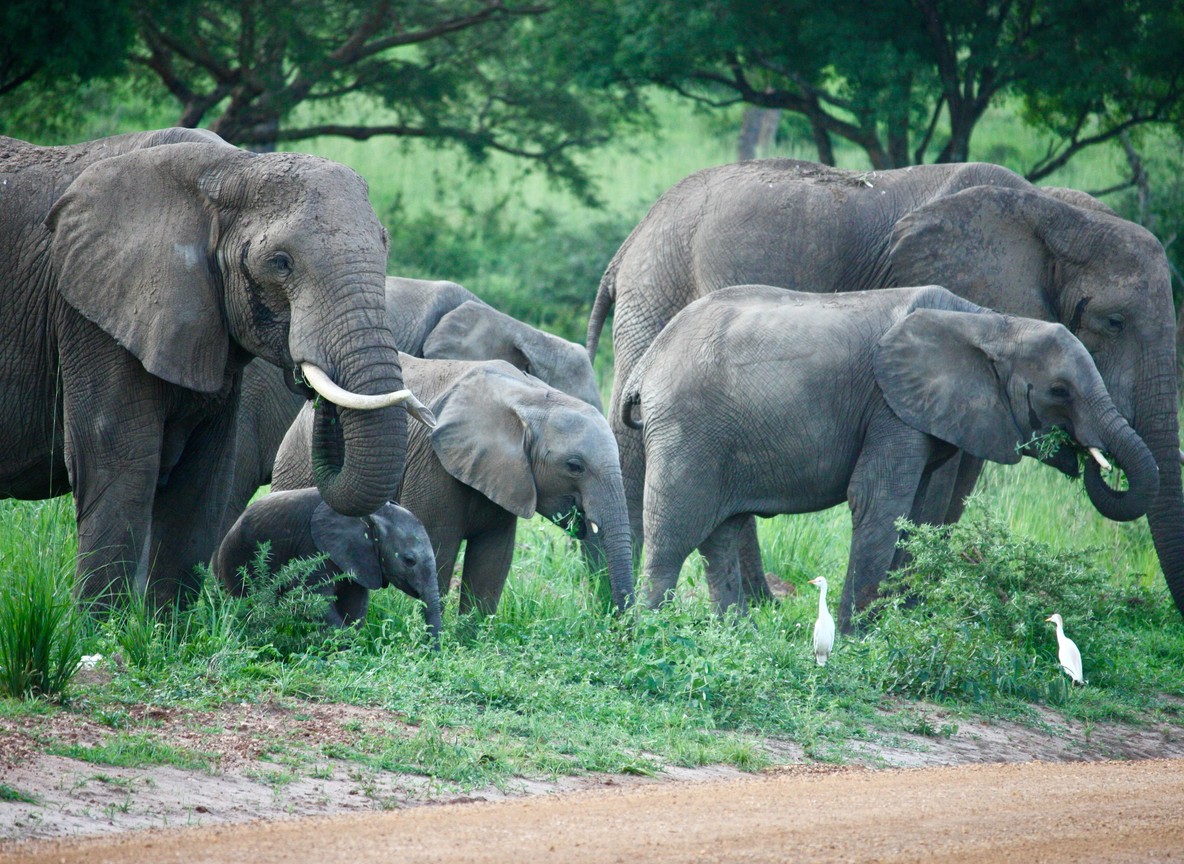
A few practical points worth knowing. First, dry season, roughly June through October, is when conflict incidents near schools and farms rise, since herds range further from swamps and rivers in search of water. Second, beehive fences are worth asking about specifically if you are staying near Laikipia conservancies. Several allow short visits to see a working hive line, and some sell the honey produced along the fence as a community product. Third, if a guide mentions corridor pressure near Kimana, Isinet, or the Mwea-Aberdare route, that is current conflict-mitigation language, not a scripted talking point. It reflects where conservation partners are actively working that season.
Frequently Asked Questions
What is an elephant deterrent fence? A low-voltage electric fence, usually solar-powered, that delivers a sharp but non-lethal shock to discourage elephants from crossing into a protected compound such as a school.
Why do schools need special protection from elephants? Schools sitting near elephant corridors face direct child-safety risk from night raids, which distinguishes them from farmland conflict, where the main loss is crops or property.
Do beehive fences really work on elephants? Yes. Elephants have a strong aversion to bee stings around sensitive skin, and rows of hives connected by wire have proven effective at keeping herds off farm and school boundaries in Kenyan trials led by Save the Elephants.
Which organizations run these programs? WWF-Kenya, the Kenya Wildlife Service, Save the Elephants, and county governments coordinate most school and corridor conflict-mitigation work, often alongside community conservancies.
Can travelers visit a conflict-mitigation project? In some areas yes, particularly beehive fence sites in Laikipia and school fencing near Amboseli. Ask a lodge or conservancy in advance, since these visits need coordination with the school or community group involved.
Want to see how conservancy fees fund work like this in the ecosystems you are visiting? Check our Tour Packages page and ask a partner operator which stays route guest fees directly into community conflict-mitigation programs.
What to Read Next
- Curious about a specific case study? Read our solar elephant fence Amboseli schools guide.
- Planning around the dry season? See our Amboseli park fees guide.
- Interested in the science behind elephant movement? Check our Amboseli elephants guide.